
The CN team is dedicated to accelerating campus carbon neutrality and training students for the workforce. Students will implement five projects for Cornell University, ensuring they satisfy the University's need through formal client relationships and interviews. The work resulting from these teams will be compiled into reports that will be published to IEEE for the expansion of our findings. Members will have full ownership of projects and will be able to promote their achievements in reducing Cornell University's 25MW power demand.
Members are expected to attend the weekly general-body meetings Tuesdays 6 - 7PM and weekly sub-team meetings.
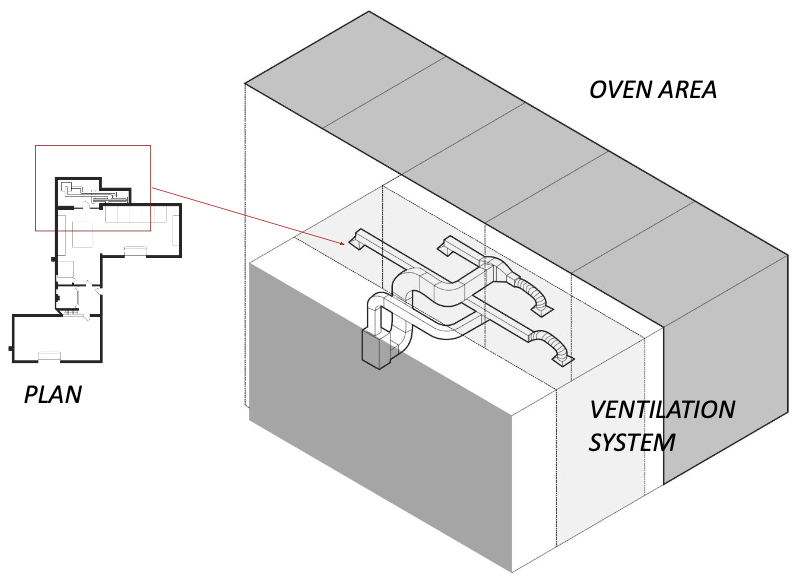
The BR sub-team will work to optimize the daily operations of Cornell University's Biomass Grinding facility by creating 1) a machine that will dry biomass particles evenly and efficiently, and 2) a system that keeps the facility at a reasonable temperature. Ultimately, the team will aim to reduce the facility's energy consumption and operating costs, utilizing guidance from contacts in the BEE, CEE, and ECE departments as well as the Campus Sustainability Office. For the Fall 2023 semester, the team is considering starting an additional project relating to lighting retrofitting. It has good potential in creating a direct connection to Earth Source Heating and expanding the team in terms of new recruits, since it involves specific data analysis and computational implementations.
Team Lead(s):
Gina Chen (cc2859@cornell.edu), Gavin Chaing (gac233@cornell.edu

The Business, Policy, and Analytics team applies data science and software engineering to sustainability-focused organizations and their data-related needs. BPA works closely with these partner organizations to understand what they need, support them through the process, and solve the data challenges they're facing. Currently, the team is working with GrowNYC's Education Team to evaluate the reach and impact of their education programs across NYC. In close partnership with GrowNYC, we are designing and implementing a full end-to-end pipeline for a functional and scalable tool that assesses GrowNYC's education program outreach against NYC demographics and metrics. It will give GrowNYC's staff, partners, and funders a clear and measurable way to understand the reach and impact of their education programs.
BPA's past collaborations include Ithaca Bikeshare, Ithaca 2030 District, and the Cornell Office of Sustainability.
Team Lead(s):
Hilary Lee (hhl46@cornell.edu)
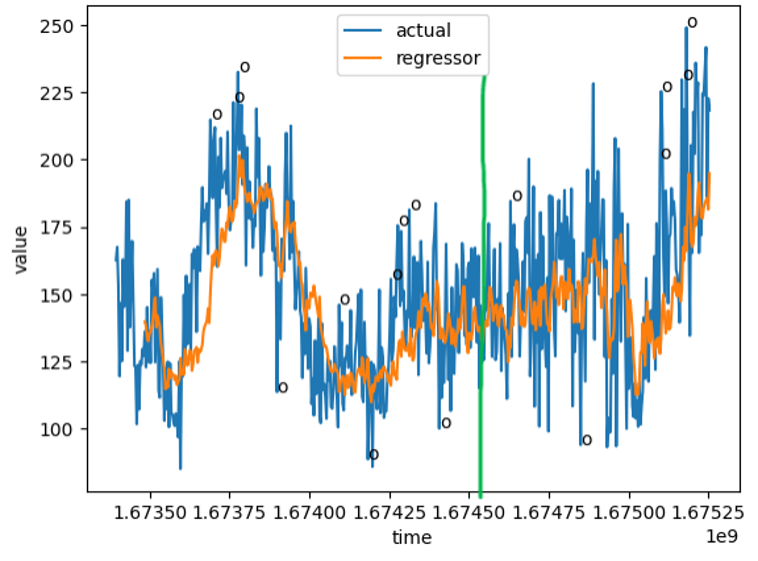
The SC sub-team aims to reduce errors in Cornell's record of its campus energy consumption by detecting meter faults and anomalies. Previously, SC has focused on quality control, improved baseline algorithms, used ML packages to make the model predictive (e.g., based on weather patterns), collaborated with other faculty and staff working in smart buildings, established methods of communicating when meters need to be fixed, and developed more advanced model selection techniques based on biophysical formulas. Going forward, SC aims to enhance the functionality of its product by incorporating a generative AI-powered chatbot that improves client experience for the model's users. Currently, they are researching LLMs and designing hard-coded prototypes, to prepare for development of the chatbot in future semesters.
Team Lead(s):
Rohan Alapati (ra676@cornell.edu), Venya Sharma (vs529@cornell.edu)
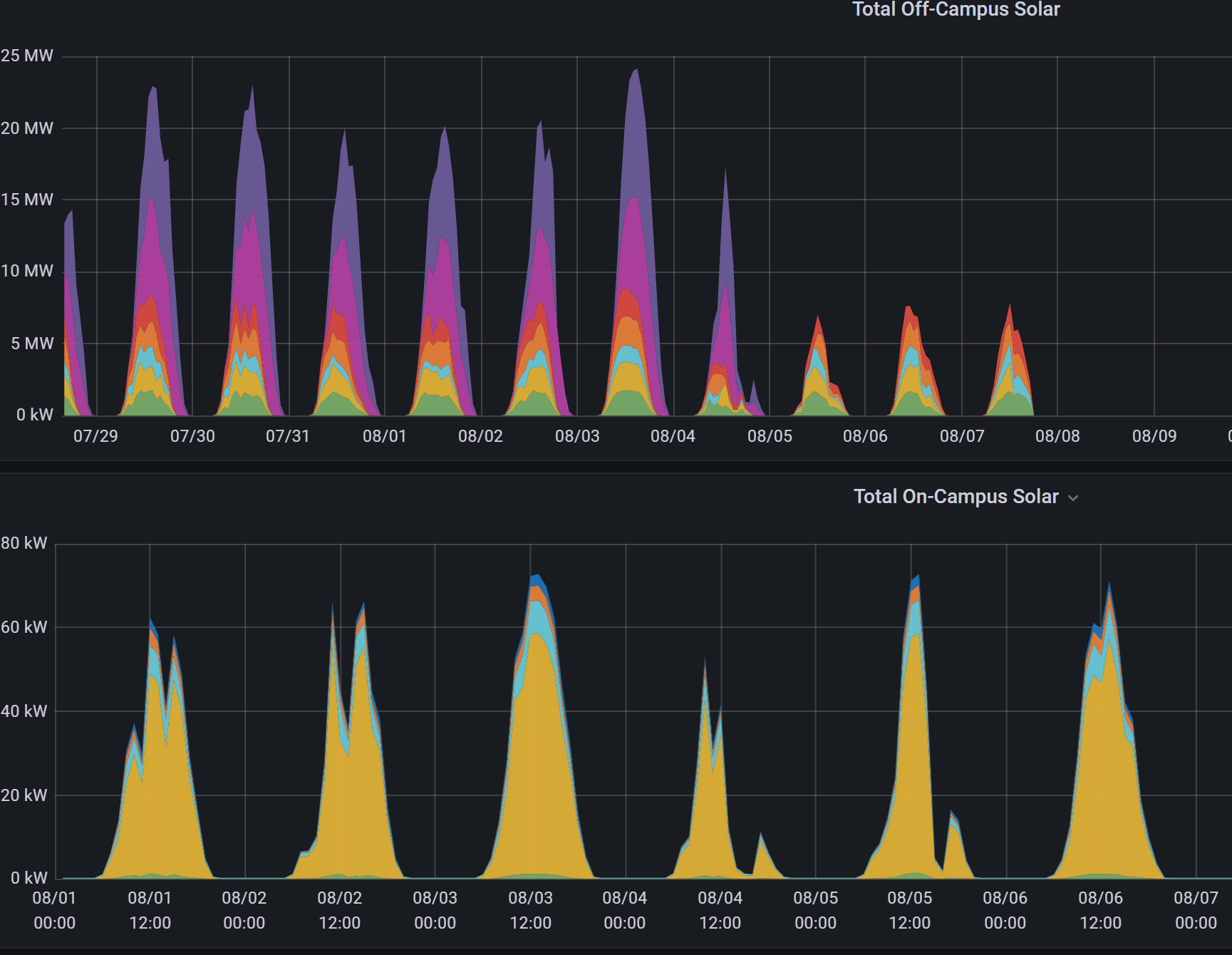
Energy Technologies Development (ETD)
The ETD sub-team was a sub-team that aimed to develop a Wave Energy Converter (WEC) that powers an Integrated Multi-Trophic Aquaculture Farm (IMTA) with the goal of addressing food security and less carbon-intensive food supplies. Members of the sub-team competed in the Marine Energy Collegiate Competition (MECC) and developed the WEC with help from the researchers of the Symbiotic Engineering and Analysis (SEA) Laboratory in the MAE department.
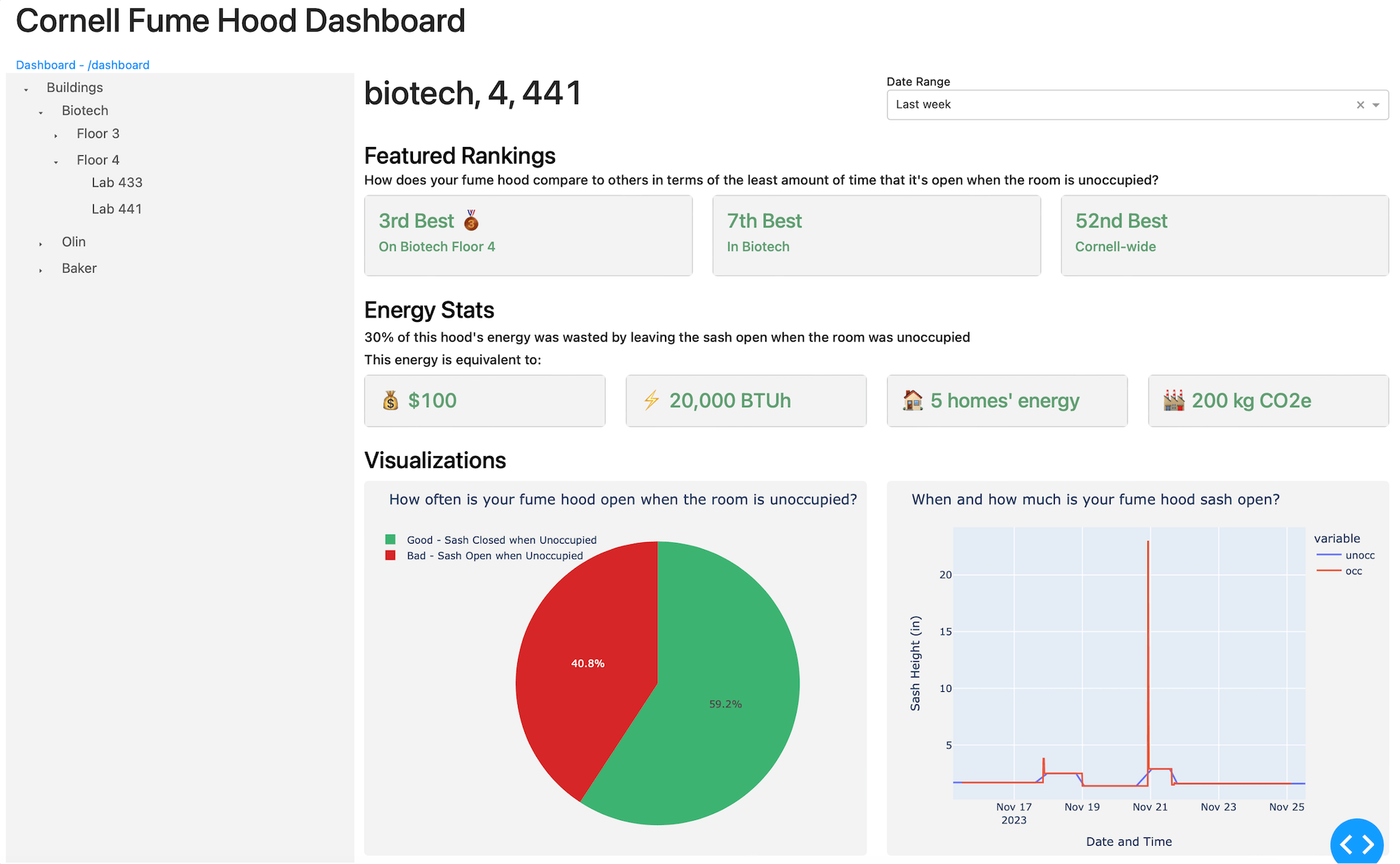
Fume Hood Energy Dashboard (FHED)
In partnership with the Campus Sustainability Office, the FHED sub-team aimed to reduce the usage of high energy demanding equipment at Cornell. Particularly, FHED had been focusing on fume hoods, which are some of the most energy intensive devices on campus since they replace heated air from inside the room with cold air from outdoors. Their goal was to create a web dashboard that displays real-time energy usage of each fume hood on campus, which could be used to identify energy-intensive fume hoods.